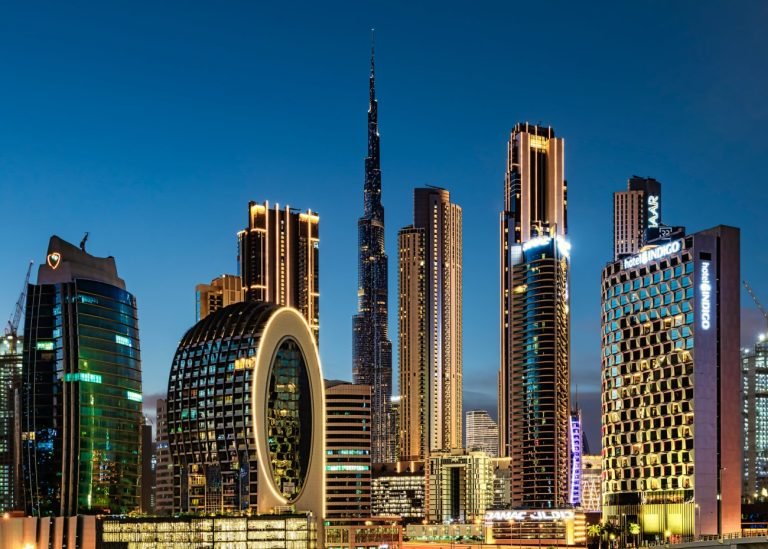
The Dubai property market has long been synonymous with dazzling speed, headline launches, and, at times, sheer speculation. For years, capital appreciation moved so quickly that investors felt they could not lose, regardless of what they bought. The mantra was simple: get in now, ask questions later.

As we move through 2026, that era has closed. Pure speculation has given way to disciplined maturity. At Jalili Real Estate, we call this the shift to logic. Timing the market is no longer the driver of success. Selecting the right asset is.
Understanding the maturity phase
The speculative cycles of the past, defined by rapid off-plan flipping, were the markers of an emerging market. Dubai is now an established prime destination. Stabilisation has arrived, which means the whole market will not automatically double every two years. Instead, we are seeing divergence. The market is no longer a single entity; it moves in segments. Some areas and asset classes will plateau while others, driven by genuine utility, infrastructure, and community appeal, continue to deliver growth and strong yields. Success now requires specific, logical analysis rather than momentum.
Community as currency: where data drives decisions
If appreciation is now selective, the clearest indicator of growth is infrastructure. The shift to logic means analysing where the government is investing, where people are moving, and where demand will concentrate. In 2026, the communities offering the strongest returns share characteristics that speculative bets lacked.
1. Mature infrastructure and connectivity. Value concentrates where daily life is efficient. Dubai Creek Harbour performs because its core advantages — waterfront, the wider Creek master plan, and integrated transport into the financial district — are real rather than promised. Buyers in 2026 will pay a premium for proven access over a brochure.
2. Supply against demand. In a mature market, specific tiers run short. Mid-market apartments are plentiful, but prime villas in established communities such as Palm Jumeirah and Emirates Hills keep appreciating, simply because no new land exists on which to build them. Scarcity is a dependable driver.
3. The cash-flow priority. As appreciation becomes more gradual, investors are shifting their focus back to income. Jumeirah Village Circle draws yield-led buyers not by betting on appreciation but by meeting steady demand for efficient, family-sized units. Reliable cash flow reduces risk, and mature districts such as Dubai Marina continue to attract consistent deal flow — which supports what we observe daily: long-term capital confidence remains strong.
Dubai Creek Harbour
Infrastructure-first district outperforming on fundamentals. Water, transport, and a logical run into DIFC.
Jumeirah Village Circle
Mid-market workhorse. Yields driven by real occupancy, not appreciation narratives. A reliable cash-flow baseline.
Dubai Marina
Mature and scarcity-driven. Prime-view units in established towers continue to outperform, even without new supply.
Business Bay
Genuine professional demand. It serves a housing need, not a trading chip — which is what a 2026 buyer should pay for.
The market did not soften, it separated. And it separated exactly along the line where Dubai’s international buyer pool is deepest.
Jalili Real Estate / Q1 2026 note
How Jalili Real Estate navigates the shift
Our approach for 2026 rests on three logical pillars.
- Asset, not branding. We look past the brochure to developer delivery history, build quality, and service-charge structures to calculate true long-term return. A branded development in a saturated location is a weaker play than an unbranded, well-built project in a high-demand node.
- Secondary-market resilience. Off-plan still has its place, but in 2026 the ready, secondary market deserves a second look: immediate yield and, in a stable market, a secure valuation baseline.
- Long-term utility. Is the property a home or a trading chip? Property that serves a genuine housing need for Dubai’s growing professional population offers the safest logical appreciation.
The intelligent buyer wins
The Dubai market of 2026 is healthy, but it is no longer beginner territory. The hype has dissipated, leaving a regulated, sophisticated landscape in which performance is driven by measurable factors rather than sentiment. For the disciplined buyer, that is good news: risk is lower for those who use logic. In this market, your most valuable asset is expertise. To review an asset-allocation analysis suited to the 2026 market, speak with the Jalili advisory team.