
Letting a property in Dubai is straightforward, but it runs on a few fixed rules that decide how much you can charge, how you register the tenancy, and what you owe the tenant in return. Getting them right at the outset avoids the disputes that fill the rental tribunal.
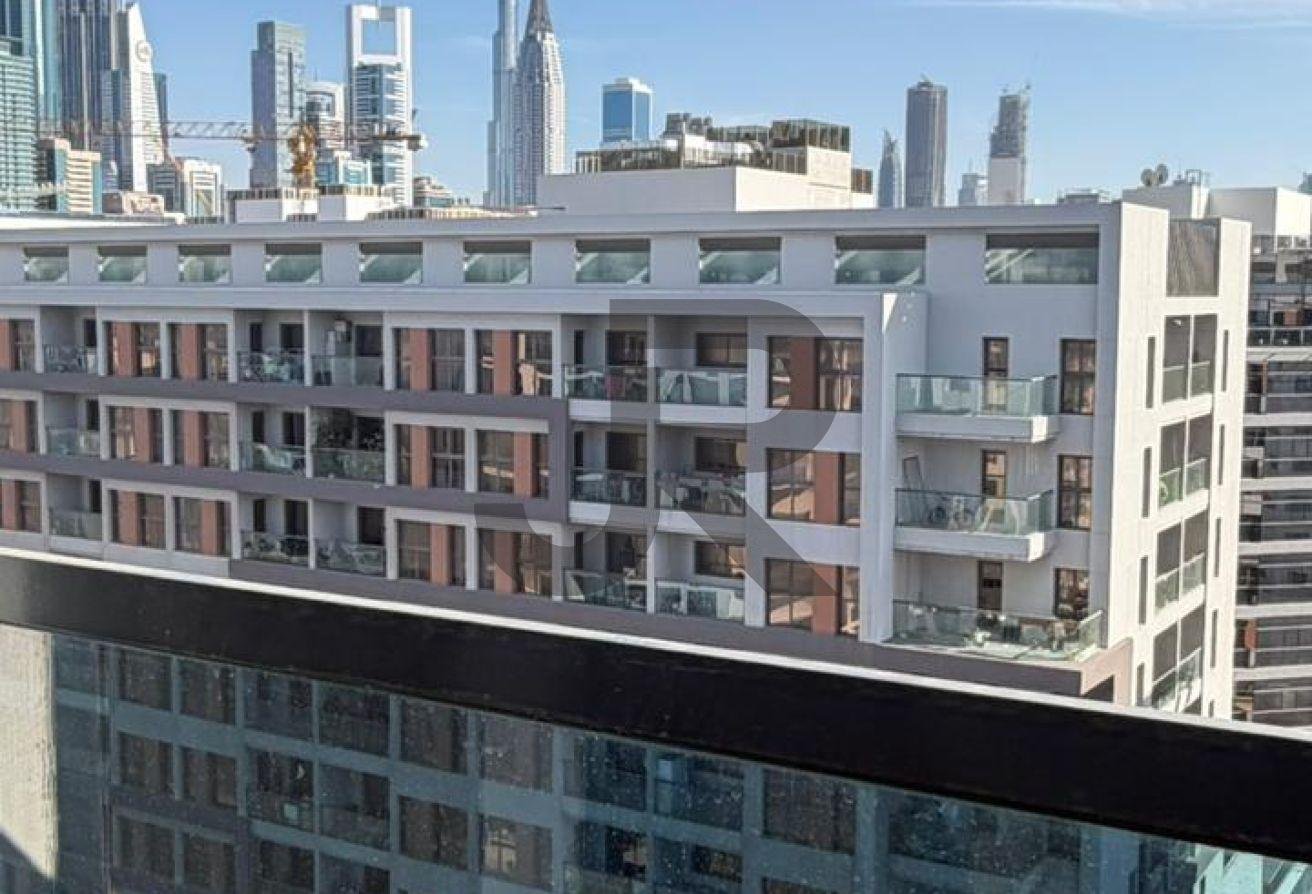
Register the tenancy on Ejari
Every tenancy contract must be registered on Ejari, Dubai’s official system, within 30 days of signing. Registration is not a formality: an unregistered contract carries little weight with the authorities, and the tenant needs the Ejari certificate to connect utilities and sponsor family. The obligation sits with the landlord.
What you can charge — and increase
Rent is set by the market, but increases are capped by the DLD’s Smart Rental Index, which replaced the older RERA calculator in 2024. The permitted rise depends on how far the current rent sits below the index average for that type and location: no increase where the rent is within 10% of the average, then rising in steps to a maximum of 20% only where the current rent is more than 40% below the market figure. The Index, not the landlord, sets the ceiling.
Give notice the right way
To change the rent at renewal, you must give the tenant 90 days’ written notice before the contract expires. Miss that window and the tenancy renews on the same terms for another year. The rule is strict and the tribunals enforce it, so a calendar reminder is worth more than any clause.
What the deposit and the repairs cover
A security deposit is standard, and the rules on it are now codified: you cannot deduct for ordinary wear and tear, and the deposit must be returned within 30 days of the lease ending. Major and structural maintenance is the landlord’s responsibility unless the contract clearly assigns it otherwise — a point worth pricing into your service-charge and net-yield maths before you let.
Yield follows the well-run let
The strongest rental returns tend to come from the buildings and areas where tenants stay — well-managed towers in Dubai Marina and the newer communities alike. You can see the stock and its rental context across our property search, and our note on flexible rent covers how payment terms are shifting.
A compliant let is a quiet one. The landlords who read the rules once are the ones who never meet the tribunal.