
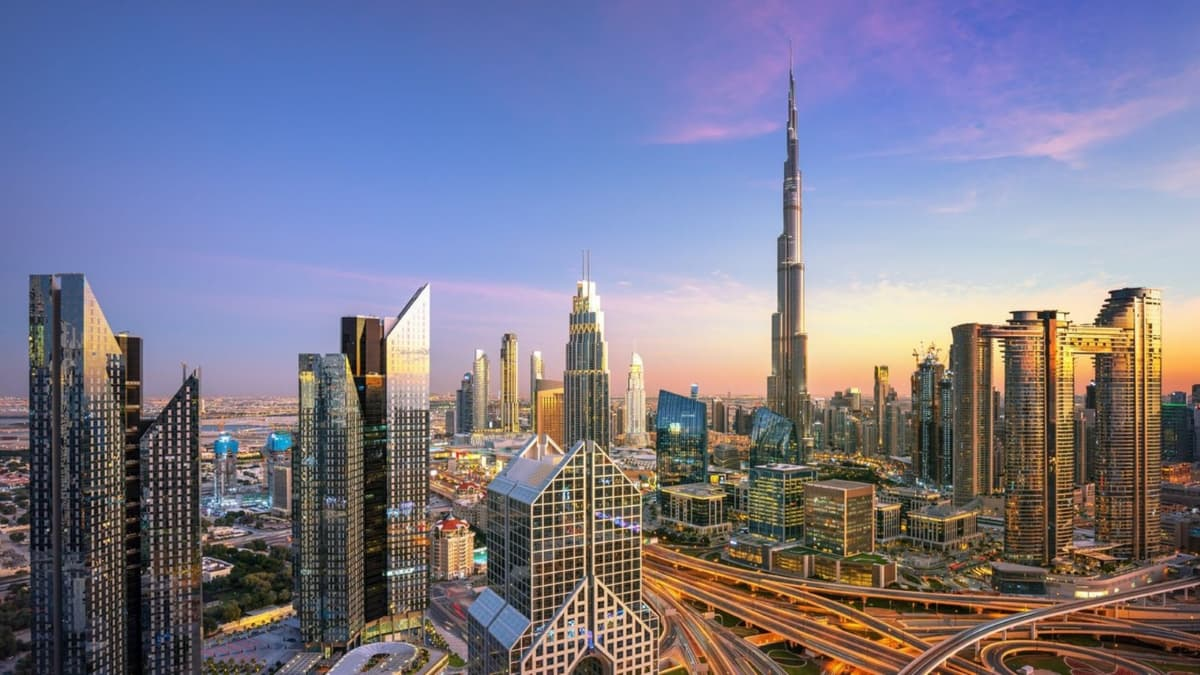
One question precedes every other for an international buyer in Dubai: can I actually own it? The answer, in the right areas, is yes — outright, in your own name, with no local sponsor and no requirement to live in the country. Understanding which areas, and on what terms, is the foundation everything else is built on.
Freehold versus leasehold
Freehold ownership gives you full title to both the property and the land beneath it, registered with the Dubai Land Department and held without time limit. You can sell, lease or bequeath it as you wish. Leasehold, by contrast, grants the right to occupy for a fixed term — usually up to 99 years — without owning the underlying land. For most foreign buyers, freehold is the goal, and Dubai has set aside specific zones where they can hold it.
Where foreigners can buy
Designated freehold areas span much of the city’s prime residential map. Dubai Marina and Downtown Dubai anchor the established apartment market; Palm Jumeirah defines the beachfront tier; Business Bay offers the central-canal alternative; and master-planned communities such as Dubai Hills Estate serve buyers who want villas and green space. The full set of districts we cover is on the areas guide. In each, a non-resident can purchase with full ownership rights — no UAE residency, sponsor or local bank account required.
Ownership and the Golden Visa
Property is also a route to residency. A holding of AED 2M or more qualifies the owner for a ten-year Golden Visa, which allows you to sponsor family, carries no minimum-stay requirement, and renews as long as the investment is maintained. The threshold can be met with a single property or several combined, and off-plan purchases count toward it.
What ownership costs to hold
Dubai levies no annual property tax, no income tax on rent, and no capital gains tax on sale. Two recurring costs do apply: the building’s service charge, and a municipal housing fee of 5% of assessed annual rental value, collected through your DEWA bill. Buyers should also confirm their own country’s tax position, since residence abroad can carry obligations Dubai does not impose.
Freehold is the part that makes Dubai unusually open to foreign capital. Choosing the right district within it is where advice begins.